Starting a skincare line has never been more accessible than it is today. With growing global demand for effective, transparent, and personalized skincare products, new beauty brands are entering the market faster than ever. What has changed is not the opportunity, but how brands launch: smarter product choices, lower initial risk, and flexible manufacturing models.

If you are wondering how to start your own skincare line in 2026, this guide will walk you through the full process — from idea to market — with a clear focus on low-risk strategies, private label manufacturing, and EU-compliant production.
Whether you are an entrepreneur, influencer, or startup founder, this article explains how to build a skincare brand step by step, without unnecessary complexity.

Understanding the Skincare Market Opportunity
The global skincare market continues to grow steadily, driven by consumer interest in self-care, skin health, and science-backed formulas. Categories such as face creams, serums, and targeted treatments are among the most in-demand products, especially when brands communicate clear benefits and transparency.
For new brands, this means opportunity — but also competition. The most successful skincare startups are not the ones launching dozens of products, but those that start focused, validate demand, and scale strategically.
Launching a skincare line today is less about having a large budget and more about making the right decisions early.
Step 1: Define Your Skincare Concept and Target Audience
Before thinking about formulas or packaging, you need clarity on who your brand is for and what problem it solves.
Are you targeting sensitive skin, hydration, acne-prone skin, or minimalist routines? Is your audience price-conscious, premium, or ingredient-driven? A clear concept will guide every decision that follows — from product selection to branding.
Many first-time founders make the mistake of trying to appeal to everyone. In skincare, clarity beats variety.

Step 2: Choose the Right Skincare Products to Launch
One of the most common questions is how many products a new skincare brand should start with. The answer is simple: fewer than you think.
Face creams, face serums, and cleansers are ideal starting points because they are familiar to consumers, used daily, and easy to position. Starting with one or two core products allows you to test the market, control costs, and refine your brand message.
A focused launch also simplifies manufacturing, regulatory processes, and inventory management.
💡 Pro Tip: Start Small to Scale Faster. Launching with one or two skincare products allows you to test demand, optimize your positioning, and reduce financial risk.
Step 3: Private Label vs Custom Skincare Manufacturing
Understanding the difference between private label and fully custom manufacturing is essential.
Private label skincare allows you to work with pre-developed, tested formulas that can be customized to your brand. This approach significantly reduces development time, costs, and risk, making it ideal for startups and first launches.
Custom formulation, on the other hand, is better suited for brands that are already established and looking to innovate at a deeper level. Many successful brands begin with private label and transition to custom formulas later.
For most new brands, private label manufacturing is the smartest entry point.
💡 Pro Tip: Private Label Doesn’t Mean Generic: Private label skincare formulas can be fully adapted to your brand identity through texture, fragrance, actives, and packaging.
Step 4: Define Ingredients and Formula Benefits
Modern skincare consumers are ingredient-aware, but they still buy based on results. When defining your formula concept, focus on benefits such as hydration, skin barrier repair, glow, or calming effects — not just ingredient lists.
A good skincare formula balances performance, texture, and skin feel. This is where working with an experienced cosmetic manufacturer becomes critical, as formulation quality directly affects customer retention.

Step 5: Branding, Packaging and Label Design
Your skincare brand does not live only in the formula — it lives in how it is perceived.
Packaging design, labeling, and brand identity should communicate trust, clarity, and professionalism. In skincare, clean and compliant labeling is just as important as visual appeal, especially in regulated markets like Europe.
Your packaging should align with your positioning while meeting all legal requirements from day one.
Step 6: Regulatory Compliance and Safety Requirements
One of the biggest barriers for new founders is cosmetic regulation. In Europe, skincare products must meet strict standards, including safety assessments, product information files (PIF), and GMP-compliant manufacturing.
The good news is that when you work with a professional cosmetic manufacturer, this process is handled for you. Regulatory compliance should not slow you down — it should protect your brand and your customers.
Step 7: Minimum Order Quantities and Production Costs
Low minimum order quantities (MOQs) have changed the way skincare brands launch. Instead of investing heavily upfront, founders can now produce smaller batches, test demand, and scale based on real sales.
This approach reduces financial risk and allows brands to evolve their products based on customer feedback rather than assumptions.
Production timelines typically range around 30–45 days once formulas and packaging are approved, making it possible to move from idea to market quickly.
💡 Pro Tip: Low MOQ = Market Validation: Low minimum order quantities allow you to launch, gather feedback, and improve your products before scaling. This strategy is ideal for startups and first-time founders.
Step 8: Samples and Product Testing
Sampling is a critical step before full production. It allows you to test texture, scent, performance, and overall user experience.
Skipping this step is one of the most common mistakes new skincare founders make. Samples ensure that what you launch truly represents your brand promise.
Step 9: Pricing and Market Positioning
Your pricing strategy should reflect your brand positioning, production costs, and target audience expectations.
Skincare brands that succeed long-term understand their margins from the beginning and price their products accordingly. Transparent pricing and perceived value are key drivers of trust.

Step 10: Manufacturing and Quality Control
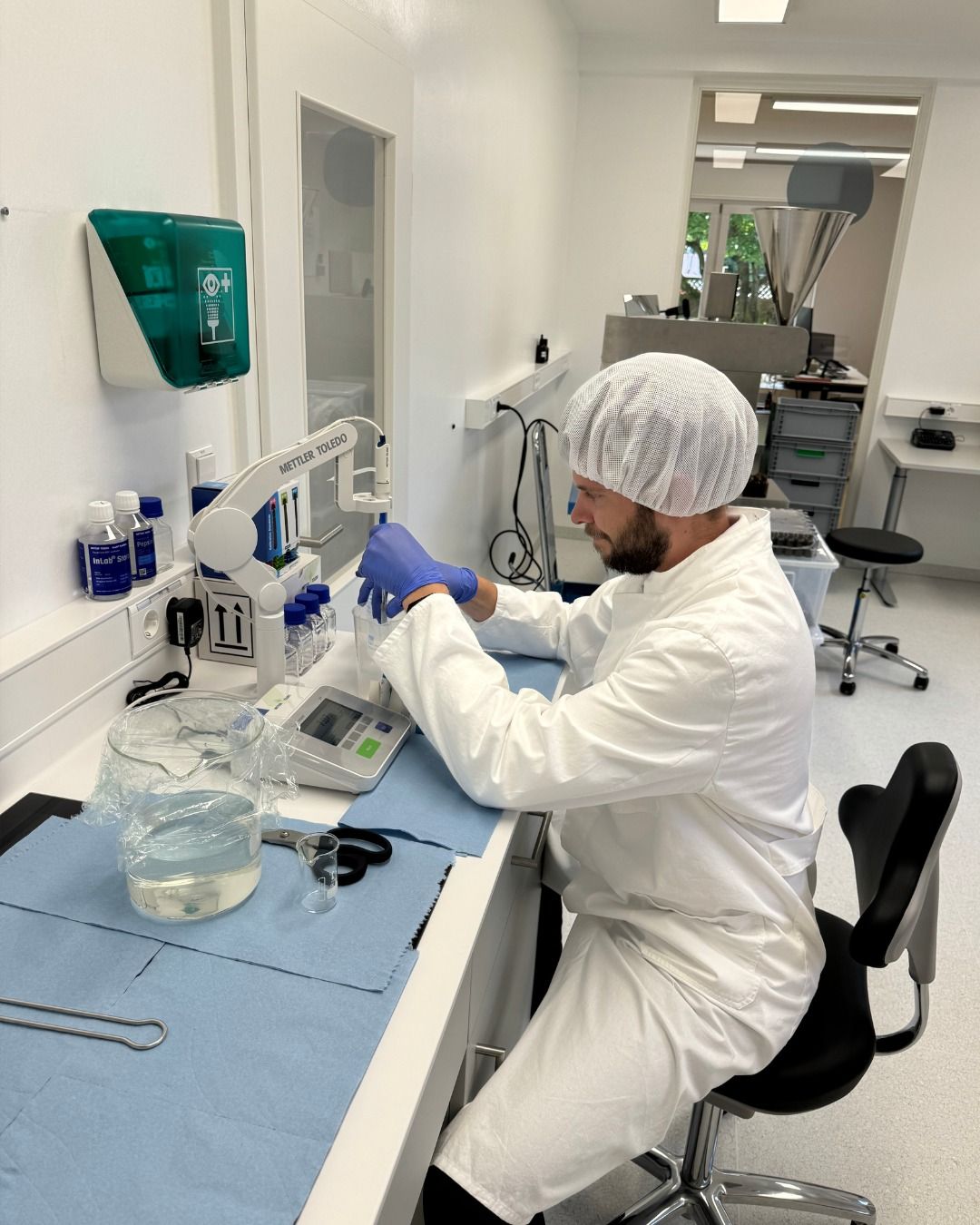
Reliable manufacturing is not just about production — it is about consistency, quality control, and long-term scalability.
Working with a European Cosmetic Manufacturer ensures adherence to high production standards, traceability, and quality assurance at every stage.
Thinking about launching your own skincare brand?
Working with a trusted European private label skincare manufacturer allows you to start with low MOQs, tested formulas, and full regulatory compliance — without the complexity of building everything from scratch.
Step 11: Launching Your Skincare Brand
A successful launch does not require massive marketing budgets. Many brands start with a soft launch, using social media, email lists, or influencer partnerships to validate demand.
The goal of your first launch is learning: understanding your customer, your product performance, and your brand message.
Read about how to launch a skincare brand here.
Step 12: Choosing the Right Skincare Manufacturer in Europe
The manufacturer you choose will shape your brand’s success more than any other decision. A European cosmetic manufacturer specializing in private label skincare and low MOQs can support your brand from concept to scale — while ensuring quality, compliance, and speed.
Working with the right partner allows you to focus on building your brand, not managing technical complexity.
💡 Pro Tip: Choose a Manufacturer, Not Just a Supplier. A good cosmetic manufacturer supports your brand beyond production, offering guidance on formulation, packaging, compliance, and scalability.
Ready to Start Your Skincare Brand?
Launching a skincare brand doesn’t have to be complex or high-risk. At DLAB Custom Cosmetics, we specialize in helping startups, entrepreneurs, and growing beauty brands develop EU-compliant private label skincare products with low minimum order quantities and full customization.
From selecting key ingredients and textures to choosing packaging and managing regulatory documentation, our team supports you at every stage of the process. All products are manufactured in Europe under GMP standards, ensuring safety, quality, and consistency — whether you are launching your first product or expanding an existing line.
With fast production timelines, worldwide delivery, and the ability to start small and scale, DLAB makes it possible to turn your skincare idea into a market-ready product without unnecessary barriers.